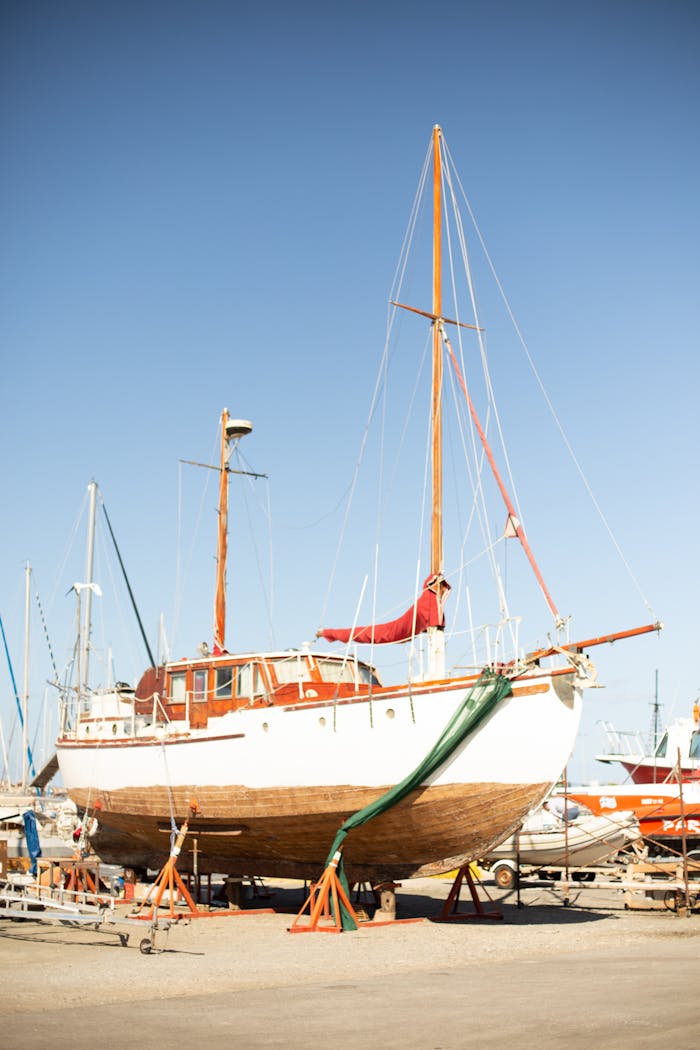
Preserve Your Floating Legacy: Master DIY Maintenance and Keep Your Classic Boat Sailing Strong!
Every classic boat tells a story – a tale of craftsmanship, adventure, and timeless beauty. But maintaining these maritime treasures isn’t just about preserving history; it’s about keeping your passion alive and your vessel seaworthy. If you’re a classic boat owner who wants to take maintenance into your own hands, you’re in the right place.
Before you dive into a full regimen, it’s wise to familiarize yourself with the Boat Maintenance Basics to cover every critical point, from cleaning bilge pumps to understanding fuel systems. Having this foundational knowledge helps you anticipate challenges and plan your projects effectively, avoiding surprises down the line and making your DIY maintenance experience smoother and safer.
Essential Tools for DIY Classic Boat Maintenance
Before diving into maintenance, equipping yourself with the right tools is crucial. Think of your toolkit as your boat’s lifeline. Professional restorers and experienced boat enthusiasts recommend a comprehensive set of tools that balance precision and versatility. Whether you are a beginner or experienced, investing in the right tools can make your job not only easier but also more enjoyable.
Your must-have toolkit should include:
- High-quality marine-grade wrenches and socket sets
- Specialized screwdrivers with non-corrosive handles
- Professional-grade sandpaper (varying grits)
- Digital multimeter for electrical diagnostics
- Corrosion-resistant paint brushes and rollers
- Marine-specific cleaning solutions
Additionally, consider adding a torque wrench for precise tightening, a wire stripper for electrical work, and a quality drill for more intensive repair tasks. Safety gear such as gloves and goggles is also a must.
Pro tip: Invest in tools designed specifically for marine environments. Regular household tools might corrode quickly or lack the precision needed for intricate boat maintenance. You’ll also want to store your tools in a dry, secure place to prevent rust and damage.
While assembling your toolkit, it’s equally important to pitfall-proof your approach by learning about Common Maintenance Mistakes. Understanding where DIY enthusiasts often slip up—like over-tightening fittings or neglecting protective coatings—can save you money and frustration. A little foreknowledge goes a long way toward keeping your beloved vessel in top condition without unwelcome setbacks.
Step-by-Step Guide to Engine Care for Classic Boats
Your boat’s engine is its beating heart. Proper maintenance ensures smooth sailing and prevents costly repairs. Classic boat engines require special attention due to their unique mechanical structures. The joy of a well-maintained engine is unparalleled, providing confidence even during long sea voyages.
For a truly systematic approach, it’s helpful to outline your Routine Maintenance Tasks on a calendar or checklist. Mapping out tasks like oil changes, spark plug inspections, and cooling system flushes ensures nothing slips through the cracks. With a clear schedule, you can maintain consistency and enjoy smoother sails and fewer unexpected engine hiccups.
Engine Maintenance Fundamentals
Start with regular oil changes – this isn’t just a recommendation, it’s a necessity. Use marine-grade oil that matches your engine’s specifications. Old engines often require more frequent changes compared to modern counterparts. This not only lubricates but also cleans your engine, keeping debris and sludge out.
Check your fuel system for leaks or clogs regularly. A blocked fuel line can lead to engine failure, while leaks can increase the risk of onboard fires. Always ensure your fuel tank breathers are clear.
Critical Maintenance Checklist
- Check and replace engine oil every 50-100 operating hours
- Inspect spark plugs for wear and cleaning
- Examine cooling system for potential blockages
- Clean and maintain fuel lines and filters
- Test battery health and charging system
Additionally, it’s advisable to run your engine with fresh water after each use to flush out any salt or dirt. This simple procedure can dramatically prolong the life of your components.
Hull Cleaning and Preservation for Longevity
Your boat’s hull is its primary defense against water and environmental challenges. Regular cleaning and maintenance prevent decay and maintain structural integrity. Hull maintenance isn’t just about keeping it clean but about ensuring it remains watertight and resilient.
Comprehensive Hull Care Strategy
Different materials require different care approaches. Wooden hulls need more frequent attention compared to fiberglass or metal hulls. Always use cleaning products specifically designed for your hull’s material. Pay attention to the seams and joins which are often prone to leaks and rot.
- Remove marine growth regularly
- Apply protective marine-grade sealants
- Inspect for minor damages and repair promptly
- Use soft brushes to prevent surface scratching
- Rinse thoroughly after saltwater exposure
Use antifouling paint to prevent marine organisms from attaching to your hull. This not only keeps your boat looking good but also improves its performance by reducing drag.
Basic Restoration Techniques for Vintage Aesthetics
Restoring a classic boat is an art form that combines technical skill with aesthetic appreciation. Your goal is to honor the boat’s original design while ensuring modern functionality. Achieving this balance means you might find yourself researching historical archives or consulting with veteran boat restorers.
Restoration Best Practices
Start with thorough research about your boat’s specific model and era. Original manufacturer documentation can provide invaluable insights into authentic restoration techniques. Joining forums or clubs dedicated to classic boats can also offer invaluable advice and resources.
Key Restoration Focus Areas
- Carefully strip and refinish wooden surfaces
- Preserve original hardware when possible
- Use period-correct paint and varnish techniques
- Maintain original design integrity
- Balance authenticity with modern safety standards
Enhance vintage aesthetics by sourcing materials or replicas that match the original construction. This can include everything from the type of wood used to the pattern of upholstery.
Ensuring Safety and Reliability with Regular Checks
Safety isn’t an option – it’s a fundamental requirement. Regular comprehensive checks can prevent potential accidents and expensive repairs. Implementing an inspection routine can save lives and preserve the longevity of your boat. Being proactive in safety maintenance is better than relying on reactive solutions.
Safety Inspection Routine
- Monthly visual hull and structural inspections
- Quarterly electrical system diagnostics
- Annual professional safety certification
- Continuous monitoring of critical components
Check safety gear frequently. This includes life jackets, fire extinguishers, and emergency communication devices. Keeping safety gear accessible and functional could make a huge difference in an emergency.
Protecting Your Boat: Seasonal Maintenance Tips
Each season presents unique challenges for boat maintenance. Adapting your care routine ensures year-round protection. Seasonal changes impact everything from your boat’s structure to its onboard systems. Tailor your maintenance efforts to mitigate these seasonal effects.
Seasonal Maintenance Calendar
- Spring: Comprehensive system checks
- Summer: Regular cleaning and UV protection
- Fall: Prepare for winter storage
- Winter: Thorough protective measures
In spring, focus on reviving systems that have been dormant during winter. Summer should involve frequent cleaning and applying UV protectants. As fall approaches, prepare your boat for cold weather storage, avoiding freeze-related damage. Winterize engines and plumbing systems to prevent ruptures from ice expansion.
The Role of Craftsmanship in DIY Maintenance
True boat maintenance transcends technical skills – it’s about passion, dedication, and respect for maritime heritage. Every classic boat is a testament to its builder’s craftsmanship, and maintaining it requires the same level of dedication. This care not only upholds the boat’s legacy but also ensures enjoyable sailing experiences.
Remember, every scratch you repair, every surface you polish, contributes to your boat’s ongoing story. Embrace the journey of preservation, and your classic boat will reward you with years of faithful service and timeless beauty.
Happy sailing, and may your maintenance skills be as smooth as calm waters!