“`html
Rescue Your Classic Boat: Master Hull Repair Procedures That Professionals Swear By
Understanding Hull Damage in Classic Boats
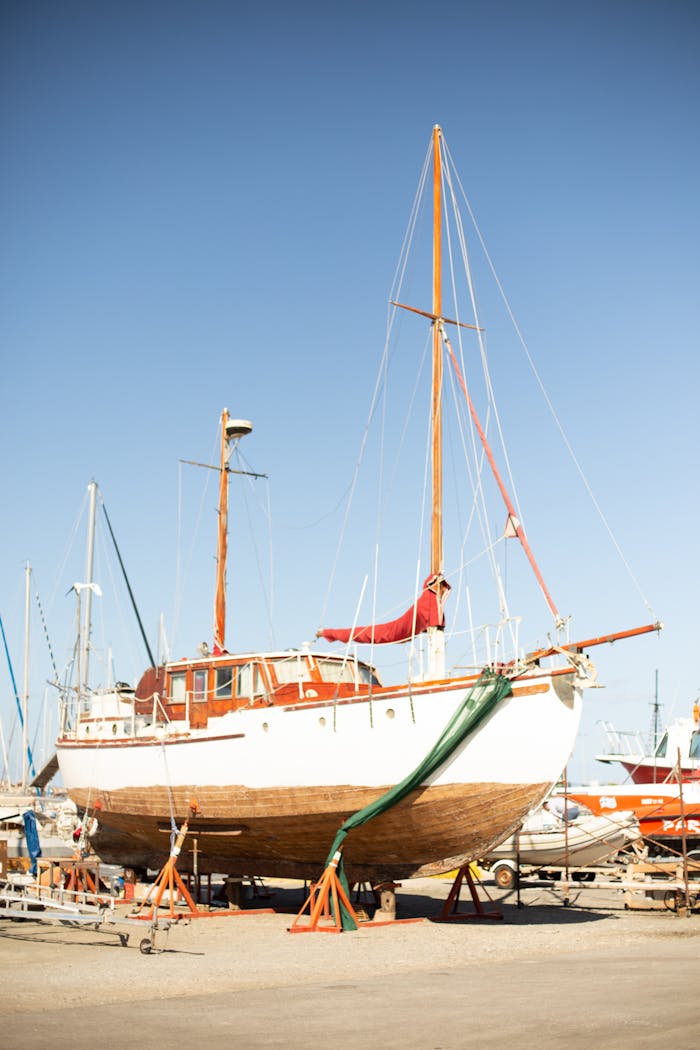
If you’re a classic boat enthusiast, you know that the hull is the heart and soul of your vessel. But what happens when time, water, and wear start to take their toll? Hull damage can be a boat owner’s worst nightmare, potentially turning your prized possession into a waterlogged memory.
In addition to mastering your hull repair procedures, you’ll want to consider the whole vessel’s health. For instance, understanding Engine Overhaul Strategies can provide a comprehensive approach to your restoration project. When you pair precise hull work with a thorough engine overhaul, you ensure that both structural and mechanical elements of your classic boat receive the professional attention they deserve. This balanced focus safeguards performance and integrity on every voyage.
Quality restoration doesn’t stop at fixing cracks and leaks in the hull. You also need to apply proven Restoration Techniques that integrate traditional craftsmanship with modern materials. These methods cover everything from proper surface preparation to the ideal curing times for marine-grade epoxies. By adopting a suite of reliable techniques, you boost the longevity of every repair, whether it’s a minor patch or a full structural overhaul.
Wood is the backbone of many classic boat hulls, so it’s essential to learn advanced Wood Restoration Methods before you begin your hull repair procedures. The right approach involves moisture testing, precise scarf joint creation, and the selection of compatible marine-grade woods. When you follow these specialized methods, you preserve the boat’s original aesthetics and structural integrity, ensuring a restoration that looks beautiful and stands the test of time.
Classic boats are vulnerable to multiple types of hull damage. Wood rot is perhaps the most insidious enemy, silently weakening your boat’s structure from the inside out. Moisture penetration, exposure to harsh marine environments, and even minor impacts can trigger this destructive process. Impact damage from collisions – whether with docks, other boats, or underwater obstacles – can create structural compromises that aren’t always immediately visible.
Weather plays a significant role too. Constant exposure to sun, saltwater, and temperature fluctuations can cause wood to expand, contract, and eventually break down. UV rays can degrade protective coatings, making the hull more susceptible to water infiltration. Recognizing these potential threats is the first step in preserving your classic boat’s integrity.
The Essentials of Hull Repair: Tools and Materials
Successful hull repair is as much about having the right tools as it is about skill. Professional boat restorers like our team at ClassicBoatsMVC know that precision starts with equipment.
Essential tools for hull repair include:
- Marine-grade measuring tools with millimeter precision to ensure each cut and join is perfect
- High-quality wood chisels with varying blade widths, crucial for removing rot and crafting precise repairs
- Professional-grade electric sanders, indispensable for smoothing repairs and preparing surfaces
- Pneumatic tools for detailed work, enabling more efficient and finer adjustments in tight spaces
- Specialized marine epoxy application equipment to ensure an even, consistent coating that seals and protects
- Protective personal gear such as respirators, gloves, and safety glasses to protect during sanding and chemical use
Materials are equally crucial. Marine-grade plywood, specifically designed to withstand water exposure, forms the backbone of most repairs. Epoxy resins with high water resistance provide critical structural reinforcement. Modern sealants have evolved to offer unprecedented protection against moisture and UV damage.
Step-by-Step Guide to Hull Restoration
Hull restoration isn’t just a repair – it’s an art form that requires patience, skill, and meticulous attention to detail. Here’s a comprehensive approach used by professional boat restorers:
Comprehensive Inspection Phase
Before touching a single tool, conduct a thorough hull examination. Use specialized moisture meters to detect hidden damage. Look for subtle signs like discoloration, soft spots, or slight structural deformations. Professional restorers often use infrared cameras to identify moisture trapped within layers, a method that enhances precision in detecting threats before they manifest visibly.
Preparation and Cleaning
Proper preparation sets the foundation for a successful restoration. Remove old paint and sealants using chemical strippers and professional-grade sanders. This process reveals the true extent of damage and creates a clean surface for repairs. Effective preparation is more than just surface-level work; it’s about ensuring that adhesives and coatings effectively bond, increasing the longevity and success of the repair.
Structural Repair Techniques
Addressing structural damage requires surgical precision. Replace compromised wood sections using perfectly matched marine-grade materials. Utilize techniques like scarfing – creating angled, interlocking joints that distribute stress evenly. This technique is vital for maintaining the structural harmony of the hull. A well-crafted joint doesn’t just look good; it ensures that the boat can perform under stress as though it were new.
Sealing and Waterproofing
Modern marine epoxies offer incredible protection. Apply multiple thin layers, allowing each to cure completely. This method creates a seamless, water-resistant barrier that’s stronger than the original material. In addition to epoxy, advanced sealants are available that resist UV sunlight degradation, meaning they not only maintain water resilience but also protect against the harsh reality of the maritime environment.
Once the sealing is complete, the focus should be on the aesthetics coupled with functionality. The new paint not only rejuvenates the visual appeal but acts as an additional layer of protection against the elements. Selecting the right type of paint, often with UV filters, ensures the long-term resilience and look of the hull.
Ensuring Longevity: Maintenance Tips Post-Repair
A restored hull requires ongoing care. Implement a rigorous maintenance schedule that includes:
- Quarterly comprehensive inspections to detect potential issues early and apply preventive measures
- Annual protective coating applications that help in maintaining surface resilience against water and UV exposure
- Proper winter storage techniques involving dry docking and covering, crucial for protecting against harsh off-season weather
- Regular cleaning with marine-specific products that maintain the finish and prevent salt build-up, preserving the hull’s condition
Beyond just scheduled maintenance, adopting a ‘check-as-you-go’ approach whenever you are onboard can be invaluable. Look for early signs of wear or new damage, allowing you to address small problems before they grow. Regular maintenance, along with adaptive strategies tailored to the boat’s use and storage conditions, helps prolong both its beauty and functionality.
Safety Precautions During Hull Repair Procedures
Safety isn’t optional – it’s mandatory. Always work in well-ventilated areas when using chemical products. Wear full protective equipment, including chemical-resistant gloves, respirators with organic vapor cartridges, and safety glasses. Awareness of your environment, ensuring all tools and materials are stored securely when not in use, and keeping your workspace organized are essential steps. An organized work area promotes safety and efficiency, reducing the potential for accidents and lost time.
When employing power tools, always double-check connections, ensure proper grounding, and tidy up electrical cables to prevent tripping or malfunction. Maintaining your equipment in optimal condition is crucial, so regular maintenance of tools should not be overlooked. Safety protocols, while sometimes seen as a time impediment, are invaluable both for the quality of your work and your personal well-being.
How ClassicBoatsMVC Upholds Traditional Craftsmanship in Boat Repair
At ClassicBoatsMVC, we don’t just repair boats – we preserve maritime heritage. Our team combines generations of boat-building knowledge with cutting-edge restoration techniques. We understand that each classic boat tells a unique story, and our mission is to ensure that story continues for decades to come.
Our commitment goes beyond technical skill. We’re passionate about maintaining the soul of classic boats, respecting their original design while ensuring modern safety standards. Every restoration is a labor of love, a delicate balance between preservation and innovation. This dual focus on tradition and technology allows us to extend the life of your classic boat while enhancing its reliability and safety.
By focusing on each boat’s unique characteristics, we tailor our approaches to meet individual needs, whether it’s the choice of traditional materials, precise matches of historical color schemes, or customized restoration plans. This level of personalized care ensures that every boat not only meets but exceeds original expectations, keeping tradition alive on the water.
By prioritizing the continuation of history interlaced with sustainable and innovative methods, we at ClassicBoatsMVC ensure every project is steeped in excellence. Our work stands testament to our belief that classic boats are more than vessels; they are legacies worth preserving.
“`