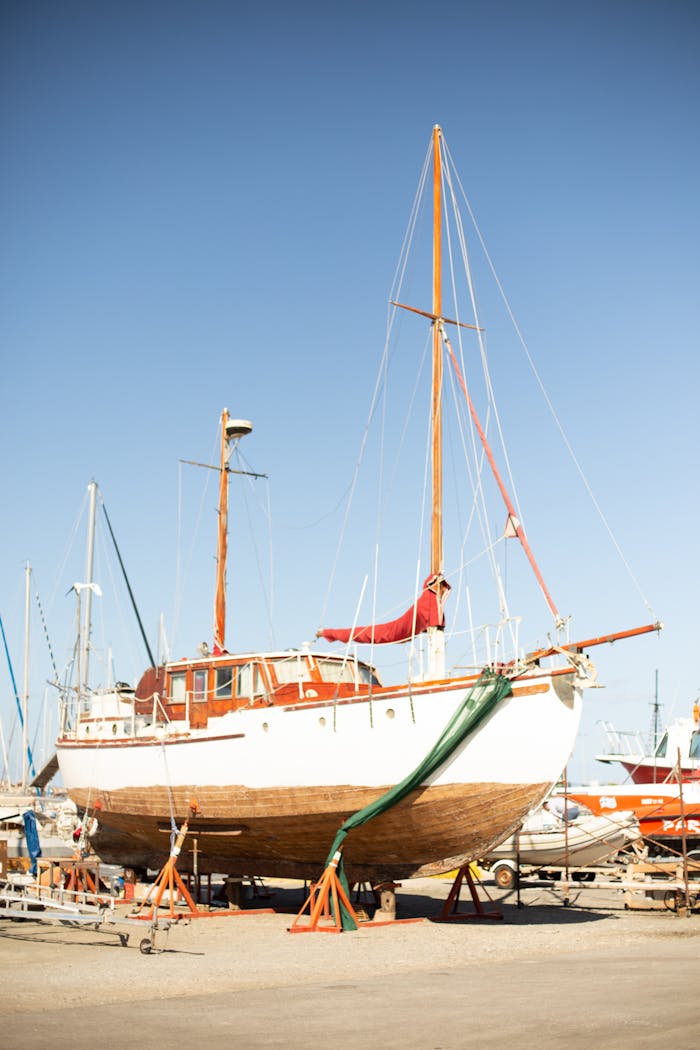
Rescue Your Classic Boat from Disaster: The Maintenance Secrets Pros Don’t Want You to Know!
Understanding the Unique Needs of Classic Boats: Avoiding Common Maintenance Mistakes
Classic boats aren’t just floating pieces of history—they’re delicate machines that demand specialized care. If you’re a boat enthusiast, you’ve probably realized that maintaining a vintage vessel isn’t like caring for a modern watercraft. Each classic boat carries its own personality, quirks, and maintenance challenges.
Common maintenance mistakes can transform your prized possession from a stunning maritime masterpiece into a costly restoration nightmare. Imagine investing thousands of dollars and countless hours into a classic boat, only to watch it deteriorate because of preventable errors. These mistakes aren’t just about cosmetic damage—they can compromise your boat’s structural integrity, performance, and safety.
Before diving into complex tasks, you should get familiar with the fundamentals. Our Boat Maintenance Basics guide covers everything from routine inspections to understanding material-specific care. By following these core principles, you’ll build a solid foundation that helps you avoid the most frequent pitfalls. Learning these basics will save you time, money, and frustration in the long run.
When you’re looking to roll up your sleeves, our expert-curated DIY Maintenance Tips section walks you through step-by-step procedures, from selecting the right cleaning agents to safely performing routine checks. You’ll find actionable advice that empowers you to handle minor repairs confidently, reducing dependency on costly professional interventions while maintaining your boat’s authenticity.
Equipping yourself with the proper instruments is crucial. Our comprehensive Essential Tools for Boat Care resource outlines must-have items, from specialized caulking guns to high-quality marine-grade sanders. Armed with the right tools, you can tackle repairs more effectively, achieving professional-grade results and steering clear of mishaps that stem from inadequate equipment.
The Role of Expert Craftsmanship in Preventing Maintenance Errors
Professional craftsmanship is the cornerstone of effective classic boat maintenance. Skilled artisans bring decades of specialized knowledge that goes far beyond basic repair techniques. They understand the intricate nuances of traditional boatbuilding—something that YouTube tutorials and generic maintenance guides simply can’t capture.
What sets expert craftsmen apart? It’s their ability to read a boat’s history through its materials, construction techniques, and wear patterns. They can spot potential issues before they become expensive problems. For instance, a seasoned professional might recognize early signs of wood rot or identify subtle structural weaknesses that an untrained eye would completely miss.
Moreover, expert craftsmen use traditional methods that respect the original design and materials of your classic boat. This approach not only ensures that repairs are done correctly but also retains the boat’s historical accuracy. It’s about more than just fixing problems—it’s about celebrating the craftsmanship that makes these boats so special.
How Neglecting Hull Integrity Can Affect Your Classic Boat’s Longevity
Your boat’s hull is its fundamental lifeline. Neglecting its condition is like ignoring a critical health issue. Water damage, structural stress, and material degradation can turn a beautiful classic boat into a maritime liability in surprisingly little time.
Key hull maintenance aspects include:
- Regular comprehensive inspections
- Proper caulking and sealing techniques
- Protection against environmental factors
- Addressing minor damages immediately
Water intrusion is one of the greatest threats to hull integrity. Even the smallest leak can develop into a major problem if not addressed promptly. Regularly inspect seams, joints, and through-hull fittings to ensure they are well-sealed. Older wooden boats, in particular, require vigilant monitoring, as swelling and contracting wood can create gaps that allow water ingress.
The longevity of your hull also depends on the paints and finishes you use. Choose marine-specific products designed to withstand prolonged exposure to water and UV rays. Applying antifouling paint is essential for preventing marine growth that can degrade materials and slow down your vessel. It’s about creating a protective barrier between your boat and the harsh marine environment.
Engine Care: Common Pitfalls and How to Avoid Them
Vintage boat engines are mechanical poetry—complex, temperamental, and requiring meticulous attention. Many boat owners inadvertently damage their engines through simple oversights. Using incorrect fuel types, skipping regular oil changes, or ignoring minor performance fluctuations can lead to catastrophic engine failures.
Professional tip: Develop a consistent maintenance schedule. Treat your classic boat’s engine like a high-performance athlete requiring specialized nutrition and training. Regular diagnostics, using period-appropriate parts, and understanding the specific requirements of vintage engines are crucial.
It’s also essential to keep an eye on the cooling system. Overheating can cause serious damage to engines, so inspect hoses, belts, and thermostats regularly. Check the coolant levels and replace the cooling fluids according to the manufacturer’s recommendations. Keeping the engine compartment clean and well-ventilated can help prevent overheating and ensure your engine runs smoothly.
If your boat has been inactive for an extended period, take extra precautions before starting the engine. Checking fuel lines for leaks, replacing old oil, and spinning the engine by hand to distribute lubrication can prevent damage caused by long periods of inactivity. Understanding your engine’s specific quirks and needs will help you develop a maintenance routine that keeps it running at its best.
Preserving Charm: A Guide to Avoiding Aesthetic Maintenance Mistakes
A classic boat’s beauty isn’t just skin deep—it’s a reflection of maritime heritage. Improper aesthetic maintenance can strip away decades of character faster than you might imagine. Avoid generic cleaning products, harsh chemicals, and aggressive restoration techniques that can permanently damage delicate surfaces.
Consider these aesthetic preservation strategies:
- Use marine-specific wooden surface treatments
- Protect against UV radiation
- Employ gentle, specialized cleaning methods
- Maintain original finishes whenever possible
Proper varnishing is paramount. Varnish is not just for aesthetics; it provides a critical layer of protection against environmental factors. Multiple thin coats are often more effective than one thick layer. Sanding between coats ensures a smooth, even finish, while maintaining the luster classic boats are known for. Always select high-quality marine varnish designed specifically for the conditions in which your boat will be used.
Canvas covers are another thoughtful measure that can help protect intricate details from the sun, rain, and other elements. If your boat remains docked for extended periods, consider a custom cover that fits its unique shape and design. This protective layer can significantly reduce the wear and tear on both wood and metal elements, preserving their beauty longer.
Ensuring Safety and Reliability: Avoiding Critical Maintenance Missteps
Safety isn’t an afterthought—it’s the primary consideration in classic boat maintenance. Critical systems like electrical connections, bilge pumps, and safety equipment require rigorous, systematic checks. One overlooked component could transform a peaceful maritime journey into a potential disaster.
Start by conducting regular checks of all electrical systems. Corrosion and outdated wiring can pose serious safety hazards. Ensure that navigation and communication equipment are fully operational and comply with the latest safety standards. Keep emergency kits onboard, stocked with first aid supplies and essential tools, and make sure safety gear like life vests and flares are well within the expiry dates and in good condition.
Bilge pumps are often the unsung heroes of boat safety. Test them frequently to make sure they’re functioning properly. A faulty pump can quickly lead to a catastrophic situation if water starts to accumulate in the boat. Additionally, maintaining the integrity of your fuel system by regularly inspecting fuel tanks, lines, and filters helps avoid leaks and ensures the safe operation of your engine.
Consulting with ClassicBoatsMVC: Expert Advice on Maintenance Best Practices
Why struggle alone when expert guidance is available? ClassicBoatsMVC represents more than a maintenance service—we’re passionate preservationists committed to keeping maritime history alive. Our team combines technical expertise with genuine love for classic boats.
Our comprehensive maintenance approach ensures your vessel remains not just functional, but a living testament to nautical craftsmanship. From detailed inspections to specialized restoration, we treat each boat as a unique work of art. We offer personalized guidance tailored to the specific needs of your boat, helping you navigate the complex world of classic boat maintenance with ease.
Ready to protect your maritime treasure? Don’t let common maintenance mistakes rob you of your classic boat’s potential. Reach out to ClassicBoatsMVC—where preservation meets passion. With our support, you can enjoy your classic boat without the stress of unexpected breakdowns or the anxiety of improper care. Join a community of enthusiasts who share your love for these stunning vessels and who understand the importance of keeping them gleaming and seaworthy for generations to come.