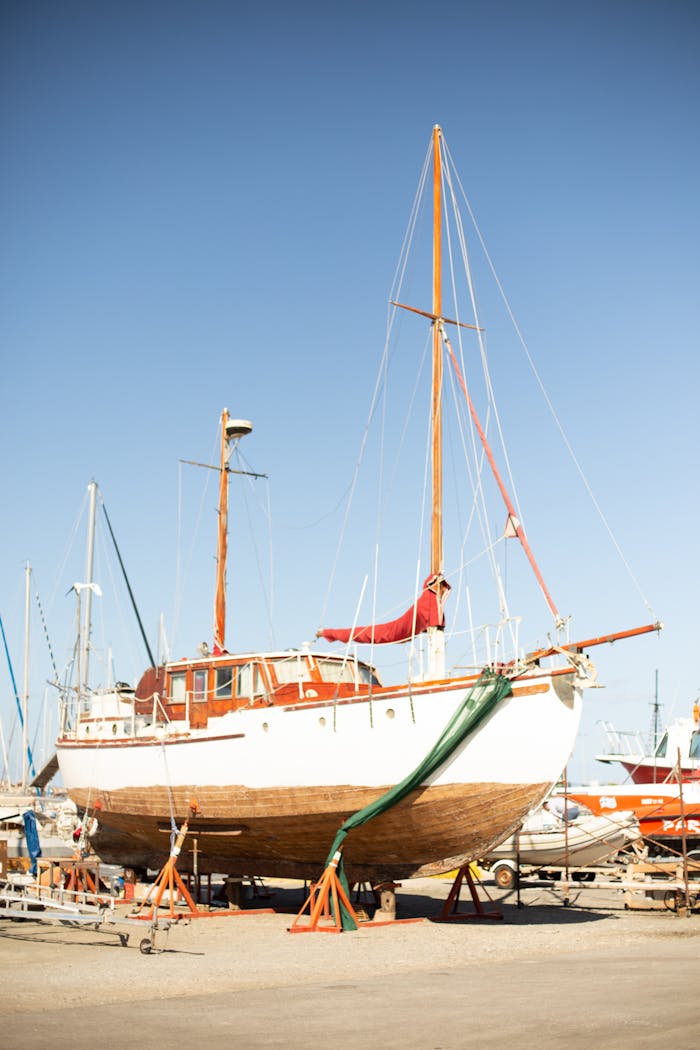
Save Your Classic Boat from Costly Damage: The Ultimate Seasonal Maintenance Guide That Boat Owners Swear By!
Why Seasonal Maintenance Is Your Classic Boat’s Best Friend
Let’s face it – classic boats are more than just watercraft. They’re living pieces of maritime history that demand respect, care, and meticulous attention. If you’ve invested your heart and soul (not to mention a considerable chunk of change) into a beautiful vintage vessel, seasonal maintenance isn’t just recommended – it’s absolutely crucial.
Imagine pulling your boat out in spring, only to discover a network of rust, deteriorated components, and potential structural damage. Nightmare scenario, right? That’s exactly why a comprehensive seasonal checklist isn’t just paperwork – it’s your boat’s lifeline. Regular checks can prevent disastrous outcomes, saving both money and preserving your treasured boat for generations to come.
When you’re new to preserving classic vessels, mastering Boat Maintenance Basics can transform a daunting checklist into a manageable routine. Learning about proper inspection timelines, materials assessment, and preventive techniques gives you the confidence to tackle seasonal tasks efficiently. By reviewing comprehensive resources like Boat Maintenance Basics, you ensure each step adheres to proven methods and industry standards, setting you up for stress-free upkeep all year round.
No successful seasonal program would be complete without the right gear at your disposal. That’s why putting together a checklist of Essential Tools for Boat Care is a game-changer. From high-quality sanders to specialized marine sealants, having these items on hand eliminates last-minute scrambles and helps you maintain focus on preserving your vessel’s integrity. Investing in reliable tools upfront can save you time, money, and frustration when it matters most.
Once familiar with the basics and fully equipped, it’s time to set a regular cadence for upkeep. Implementing simple Routine Maintenance Tasks—like checking bilge pumps weekly, verifying electrical connections monthly, and inspecting safety gear quarterly—keeps small issues from snowballing into expensive repairs. Consistency truly is the secret behind a classic boat that performs flawlessly season after season, ensuring every voyage is memorable for all the right reasons.
Decoding the Engine: Winter Preparation Strategies
Your boat’s engine is its beating heart, and winter can be brutally unforgiving. Here’s a detailed breakdown of engine care that’ll save you thousands in potential repairs:
- Completely drain existing engine oil, replacing it with fresh, high-quality marine-grade oil
- Inspect and potentially replace fuel filters to prevent contamination
- Apply corrosion-resistant lubricants to moving parts
- Use marine-specific antifreeze to protect against freezing temperatures
- Disconnect and store battery in a temperature-controlled environment
Pro tip: Consider using fuel stabilizers that prevent gasoline degradation during long periods of inactivity. These small investments can prevent major engine complications down the line. Regular winter prep ensures that when spring arrives, your boat roars to life without hesitation.
The engineering marvel of classic boats requires more than a generic approach. Customizing plans to your specific model, understanding idiosyncrasies in older engines, and taking preventive measures from experience can make the difference between a smooth or stressful season.
Hull Protection: Your Boat’s Armor Against Environmental Threats
The hull is essentially your boat’s external skeleton. Comprehensive inspection and maintenance are non-negotiable for preserving its structural integrity and aesthetic appeal.
Critical Hull Maintenance Checklist
- Thorough visual inspection for cracks, blisters, or structural weaknesses
- Power wash hull to remove marine growth and accumulated debris
- Sand and repair minor imperfections immediately
- Apply marine-grade protective coatings
- Check and replace sacrificial anodes to prevent galvanic corrosion
Understanding the conditions your boat faces—saltwater, freshwater, varying temperatures—guides the most effective maintenance strategies. Often, boat owners might overlook the subtleties of water chemistry affecting the hull. But savvy enthusiasts embrace professional assessments to customize their approach, often extending the lifespan of the vessel significantly.
Consider innovative protective options like electro-polishing to further shield your hull. It’s a novel approach that adds another layer of security against natural wear and tear, particularly for metal components exposed to harsh environments.
Safety First: Equipment Compliance Matters
No maintenance checklist is complete without a rigorous safety equipment review. Maritime regulations aren’t just bureaucratic red tape – they’re designed to keep you alive on unpredictable waters.
Essential Safety Gear Verification
- Life jackets: Check for wear, correct sizing, and US Coast Guard approval
- Fire extinguishers: Verify pressure levels and expiration dates
- Emergency signaling devices: Flares, mirrors, and electronic beacons
- First aid kit: Complete, unexpired medical supplies
- Communication devices: VHF radio functionality test
Beyond regulatory compliance, creating real-world scenarios where this equipment could be vital helps in assessing and preparing adequately. A life jacket that’s perfect in calm waters needs reevaluation for rough seas. Fire extinguishers, checked and stored properly, can make an enormous difference when seconds count.
Simulate different emergencies during downtime to stay sharp; it’s an excellent opportunity to train family or crew members who might accompany you. This preparedness isn’t just theoretical—it’s life-saving practice that builds confidence in every passenger aboard.
Interior Preservation: Protecting Your Boat’s Soul
Classic boats aren’t just about external appearance – their interior tells a story. Proper cleaning and preservation maintain both functionality and historical authenticity.
Interior Maintenance Recommendations
Focus on moisture control, which is the silent destroyer of classic boat interiors. Use specialized marine-grade cleaners, ensure proper ventilation, and consider dehumidifying solutions during storage periods.
Revamping interiors periodically, possibly with upgrades compatible with the boat’s era, balances comfort with tradition. Professionals often suggest fabric protection treatments, ensuring the longevity of upholstery against moisture and UV damage.
The interior design should pay homage to the boat’s legacy while incorporating modern enhancements that offer comfort without detracting from its historic essence. Navigating this blend is as much an art as a science.
Strategic Storage: Defending Your Investment
Where and how you store your boat during off-season months can dramatically impact its long-term condition. Indoor storage remains the gold standard, but not everyone has that luxury.
Storage Options Breakdown
- Indoor heated storage: Maximum protection
- Covered outdoor storage: Use high-quality, breathable covers
- Outdoor storage: Elevate boat, use robust weatherproof covers
Engaging with facilities that specialize in classic boats is often worth the added expense for peace of mind. They offer climate control, regular inspections, and maintenance opportunities while you’re away, ensuring your boat is primed and ready come spring.
For those without premium storage options, regular personal inspections, dehumidifiers, and pest controls are necessary rituals, forming a protective shield for cherished investments that would otherwise be neglected.
Spring Revival: Awakening Your Classic Boat
As winter retreats, your boat needs a comprehensive revival strategy. This isn’t just a quick once-over – it’s a methodical process of reintroducing your vessel to active duty.
Comprehensive Spring Commissioning Checklist
- Complete system diagnostics
- Fluid replacement and level checks
- Electrical system verification
- Sea trial preparation
This revival phase isn’t just mechanical; it reconnects you with the spirit of adventure and nostalgia that classic boats embody. A deep clean might be followed by personal customizations that enhance both aesthetics and functionality, reflecting the captain’s personal flair and year’s adventures ahead.
Remember, a well-maintained classic boat isn’t just transportation – it’s a living piece of maritime heritage. Treat it with the respect it deserves, and it’ll reward you with years of incredible memories and unparalleled sailing experiences.
Invest in maintenance today, sail with confidence tomorrow!